Yes, estrogen helps keep hair in its growth phase longer and can reduce thinning, especially when levels are low due to menopause or hormonal imbalance.
Many women notice their hair changing during perimenopause or after menopause, thinning, shedding, or losing its usual fullness.
It’s one of the most common questions we hear at Gard Wellness Solutions does estrogen actually help hair growth?
The science says yes, but the full picture is more nuanced.
Let’s explore how estrogen affects your hair, what research shows, and what kind of results you can expect with hormone therapy.
SEE HOW HORMONE REPLACEMENT CAN HELP YOU
How Estrogen Affects Hair Growth
Your hair grows in cycles and hormones control much of that process.
Each follicle moves through three main stages:
- Anagen (growth phase): Hair actively grows.
- Catagen (transition phase): Growth slows as follicles prepare to rest.
- Telogen (resting/shedding phase): Old hairs shed and new ones begin to form.
Estrogen’s role is to keep hair in the anagen phase longer and maintain thicker, stronger strands.
It also helps counterbalance androgens (like testosterone and DHT), which can shrink hair follicles and contribute to thinning.
That’s why hair often looks fuller during pregnancy, when estrogen is high and why postpartum or menopausal hair loss is common when estrogen levels drop.
When estrogen declines, more follicles enter the resting phase sooner, leading to shedding and slower regrowth.
Estrogen and Hair Growth
Estrogen helps prolong the growth phase of hair and protects follicles from shrinking.
Estrogen also supports scalp health and circulation, which improves nutrient delivery to follicles.
In short: when estrogen is balanced, hair tends to stay thicker, shinier, and grows for longer periods before shedding.
Does Estrogen Help Regrow Lost Hair?
If your hair loss is linked to low estrogen, restoring balance through hormone therapy (HRT) may help regrow thinning areas, especially if follicles are still active.
Patients often report:
- Noticeably less shedding within 2–3 months
- Fuller texture and volume by 4–6 months
- Gradual regrowth in previously thinning spots over 6–12 months
However, estrogen isn’t a miracle fix.
If follicles have been dormant too long, regrowth may be limited.
The best results happen when hormone therapy is started early, before follicles miniaturize completely.
At Gard Wellness Solutions, we help identify the true cause of hair loss whether hormonal, nutritional, thyroid-related, or stress-induced and build a personalized plan that restores balance naturally.
Low Estrogen and Hair Loss in Menopause
Studies show that during menopause, estrogen levels can plummet well below normal levels.
This change shortens the growth phase and causes follicles to produce finer, weaker hair.
Many women notice a widening part, reduced volume, or more visible scalp.
Low estrogen also decreases scalp oil production, making hair dry, brittle, and prone to breakage.
Restoring hormonal balance, whether through estrogen, progesterone, or other supportive therapies can help the scalp retain moisture, strengthen follicles, and reduce excessive shedding.
Estrogen Therapy and Hair Growth: What to Expect
If hormone therapy is part of your care plan, it takes time to see results because hair growth happens slowly.
Here’s a general timeline:
- 1–3 months: Less shedding, improved scalp hydration.
- 3–6 months: Noticeable volume or texture improvement.
- 6–12 months: Stronger regrowth where follicles are still active.
Consistency and proper dosing are key.
At Gard Wellness Solutions, we use lab-based hormone testing to tailor every treatment, ensuring optimal estrogen, progesterone, and DHEA levels for your unique body chemistry.
Can Too Much Estrogen Cause Hair Loss?
Yes, estrogen dominance (too much estrogen relative to progesterone) can also disrupt the hair cycle.
It may trigger inflammation, increase binding proteins that block beneficial hormones, or worsen symptoms like bloating and fatigue.
This is why balance is everything.
Hormones should never be self-prescribed or guessed at.
Proper testing ensures safe, effective therapy that truly supports hair growth without unwanted side effects.
How to Support Hair Growth Naturally with Estrogen Therapy
If you’re using hormone replacement therapy, combine it with these natural strategies for the best results:
- Eat for your follicles: Prioritize protein, iron, zinc, and biotin.
- Manage stress: Cortisol imbalances accelerate shedding.
- Care for your scalp: Keep it hydrated and stimulate circulation with gentle massage.
- Support thyroid health: Hypothyroidism and low estrogen often overlap.
- Use synergistic therapies: PRP injections, low-level laser therapy, or topical minoxidil can enhance regrowth results.
At Gard Wellness Solutions, we combine functional medicine with hormone therapy to treat the body as a whole, not just the symptom of hair loss.
What Type of Estrogen Helps Hair Growth?
The most beneficial form for hair health is estradiol, the body’s primary bioactive estrogen.
Many women benefit from combining it with bioidentical progesterone to maintain hormonal balance.
Your provider will determine whether oral, transdermal (patch/cream), or injectable estrogen fits your needs.
Topical estrogen applied directly to the scalp shows some promise, but studies are limited compared to systemic therapy.
Does Estrogen Work for Everyone?
Not always and this is where personalized care matters most.
If hair loss stems primarily from androgen sensitivity, genetics, thyroid issues, or autoimmune conditions, estrogen alone might not yield major regrowth.
However, balancing estrogen can still slow progression, improve texture, and make other treatments work better.
That’s why a full hormonal and metabolic assessment is essential before starting therapy.
At Gard Wellness Solutions, we don’t guess, we test.
Our team evaluates estrogen, progesterone, testosterone, DHEA, thyroid, and nutrient levels to find the right combination for your system.
Estrogen, Androgens, and DHT: Finding the Right Balance
Estrogen and androgens are constantly balancing each other out.
When estrogen is low, DHT (dihydrotestosterone) can rise, a potent hormone known to shrink follicles and cause female pattern hair loss.
By stabilizing estrogen and addressing DHT activity, you can preserve more active follicles and slow down genetic thinning.
In some cases, combining estrogen therapy with DHT-blocking nutrients or medications provides the best outcome.
How Gard Wellness Solutions Can Help
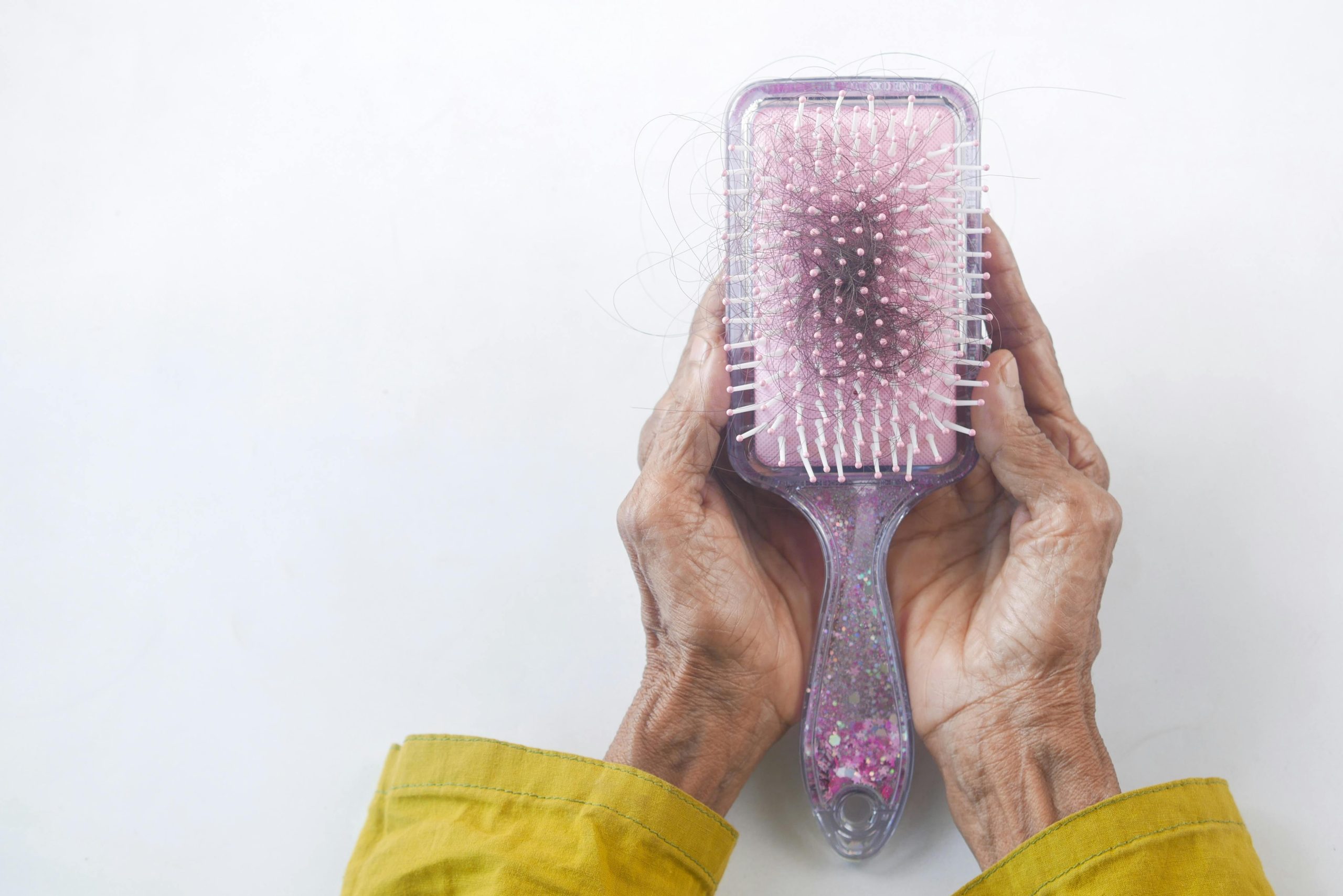
If you’re noticing more hair on your brush or in the shower drain, it’s time to explore the hormonal connection.
At Gard Wellness Solutions in Lantana, FL, our team specializes in hormone replacement therapy and functional wellness for women experiencing hormonal hair loss.
We start with comprehensive hormone testing, design a personalized care plan, and combine medical and natural strategies to restore balance, energy, and confidence, from the inside out.
Schedule your consultation today to learn how we can help you achieve thicker, healthier hair through a customized hormone approach.
Conclusion: Does Estrogen Help Hair Growth
Estrogen plays a powerful role in hair growth and follicle health.
When levels decline, whether from menopause, stress, or imbalance, hair often becomes thinner and weaker.
With proper evaluation and a balanced hormone strategy, estrogen can help restore your hair’s strength, density, and shine.
If you’re ready to uncover the hormonal root of your hair loss, Gard Wellness Solutions in Lantana, FL can help you take the next step toward restoring balance and your confidence.
FAQs: Does Estrogen Help Hair Growth
How long does it take for estrogen to help with hair loss?
Most women begin to notice less shedding and improved texture within three to six months of starting estrogen or hormone replacement therapy. Full results, including new growth, can take up to a year because hair follicles respond gradually as hormone balance is restored.
Which hormone increases hair growth in females?
Estrogen is the primary hormone that supports hair growth in women. It helps keep follicles in the active growth phase longer and counteracts the effects of androgens like DHT, which can shrink follicles and cause thinning.
What is the best HRT for thinning hair?
The best hormone replacement therapy for thinning hair typically includes bioidentical estrogen—often in the form of estradiol, combined with progesterone to maintain hormonal balance. The most effective approach depends on each woman’s unique hormone levels, which can be determined through testing at Gard Wellness Solutions.
Does estrogen do anything to your hair?
Yes. Estrogen nourishes the scalp, extends the hair’s growth phase, and supports thickness and shine. When estrogen levels drop during menopause, hair can become dry, brittle, and more prone to shedding.
Is it normal to have hair loss in perimenopause?
Yes. Hair loss is common during perimenopause as estrogen and progesterone levels begin to fluctuate. This hormonal shift shortens the hair growth phase and increases shedding, but balancing hormones through personalized therapy can help slow or reverse these changes.