
A hair transplant is a surgical procedure designed to address hair loss and thinning by moving hair follicles from one part of the body, typically the back or sides of the scalp, to the balding or thinning areas. This method is highly effective for restoring a natural-looking hairline and adding density to sparse areas. Hair transplants can be performed using various techniques, such as Follicular Unit Transplantation (FUT) and Follicular Unit Extraction (FUE), each offering unique benefits tailored to patient needs.
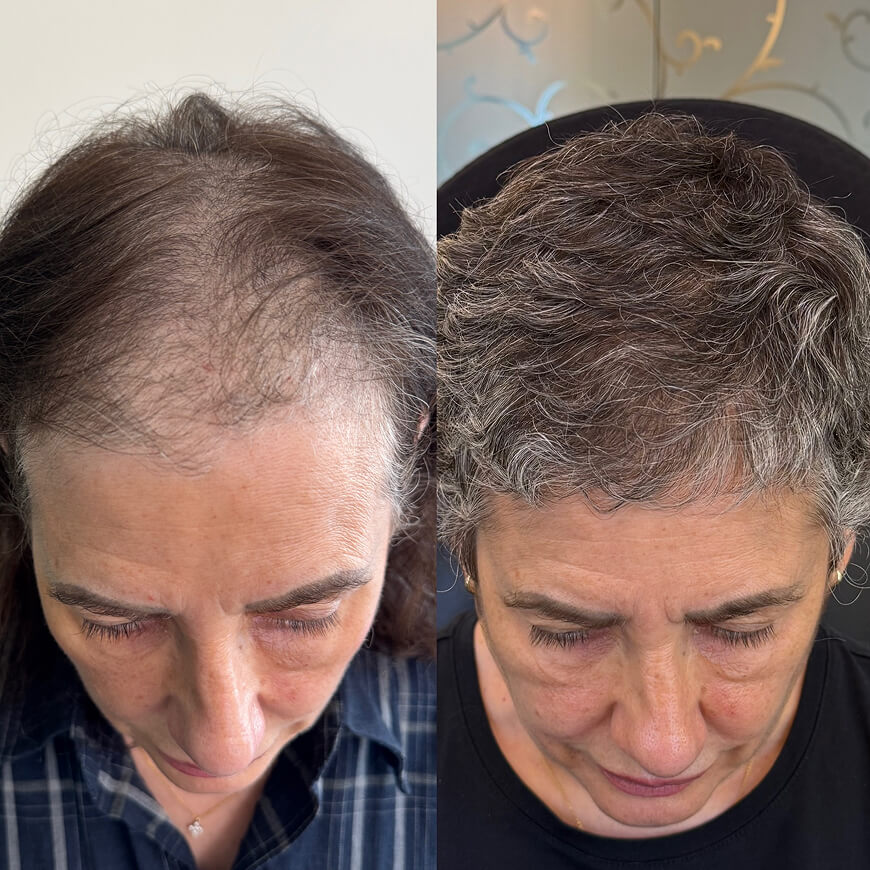
1. Natural Appearance
One of the most significant benefits of a hair transplant is the natural appearance of the results. Since the procedure uses the patient’s hair, the transplanted hair blends seamlessly with existing hair, ensuring a natural look.
2. Permanent Solution
Unlike temporary solutions such as wigs or hairpieces, hair transplants offer a permanent solution to hair loss. The transplanted hair continues to grow naturally, providing long-lasting results.
3. Improved Self-Esteem
Hair loss can significantly impact self-esteem and confidence. A successful hair transplant can restore a full head of hair, contributing to improved self-image and confidence.
4. Low Maintenance
Once the transplanted hair starts growing, it requires the same care as natural hair. There are no special treatments or maintenance routines needed, making it a convenient option for those seeking a low-maintenance solution.
1. Men and Women with Pattern Baldness
Hair transplants are an effective solution for both men and women experiencing pattern baldness. This condition, also known as androgenetic alopecia, is the most common cause of hair loss and affects millions of people worldwide.
2. Individuals with Hair Thinning
Those experiencing hair thinning rather than complete baldness can also benefit from a hair transplant. The procedure can add density to thinning areas, improving overall hair volume and appearance.
3. People with Hair Loss Due to Scarring
Hair transplants can be a viable option for individuals who have lost hair due to scarring from injuries or surgeries. The procedure can help cover scars and restore hair growth in affected areas.
4. Candidates with Adequate Donor Hair
Ideal candidates for a hair transplant should have enough healthy hair follicles in the donor area, typically the back or sides of the scalp. This ensures there are sufficient follicles to transplant to the balding or thinning areas.
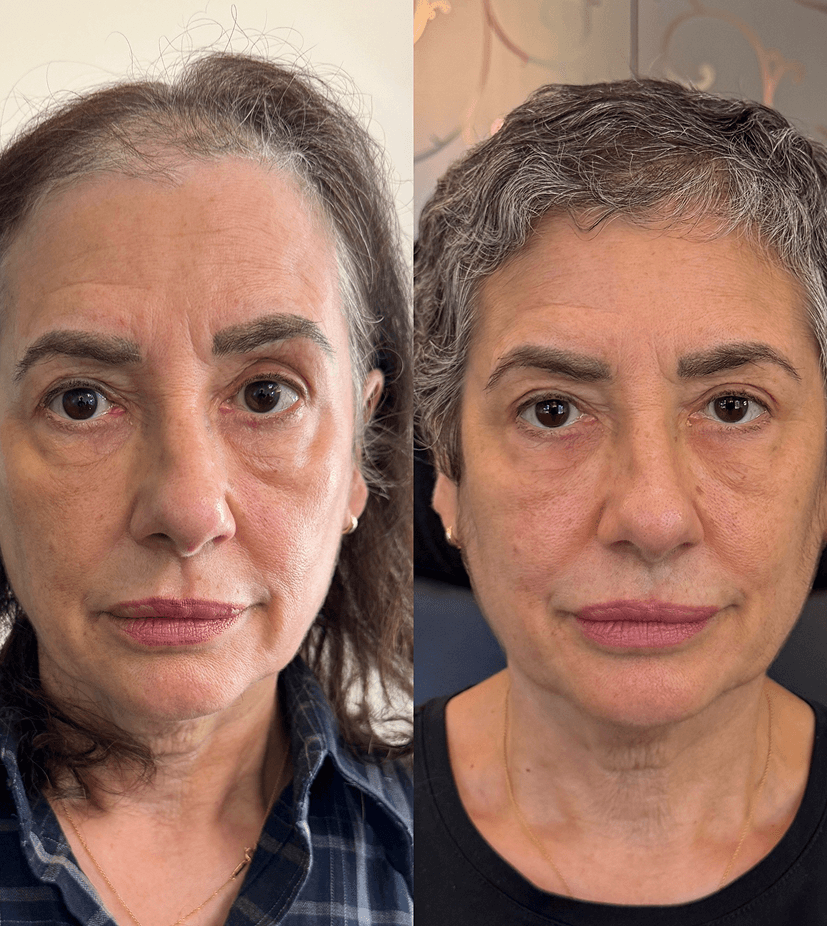
1. Androgenetic Alopecia
Androgenetic alopecia, or pattern baldness, is the most common condition treated with hair transplants. This genetic condition leads to hair thinning and loss in specific patterns, such as a receding hairline or thinning crown.
2. Alopecia Areata
Alopecia areata is an autoimmune condition that causes hair loss in small, round patches. In some cases, hair transplants can help restore hair growth in affected areas.
3. Traction Alopecia
Traction alopecia is hair loss caused by constant tension or pulling on the hair, often due to tight hairstyles. Hair transplants can help restore hair in areas affected by this condition.
4. Scarring Alopecia
Scarring alopecia, or cicatricial alopecia, refers to hair loss caused by scarring from injuries, surgeries, or inflammatory conditions. Hair transplants can effectively cover scars and promote hair growth in these areas.
1. Over-the-Counter Treatments
Before considering a hair transplant, you may want to try over-the-counter treatments such as minoxidil (Rogaine). This topical treatment can help slow hair loss and promote hair growth in some individuals.
2. Prescription Medications
Consult with a healthcare provider about prescription medications like finasteride (Propecia). This oral medication can help reduce hair loss and stimulate hair growth in men with androgenetic alopecia.
3. Lifestyle Changes
Making lifestyle changes, such as reducing stress, eating a balanced diet, and avoiding hairstyles that put tension on the hair, can help improve hair health and potentially slow hair loss.
4. Hair Care Routine
Adopting a gentle hair care routine, including using mild shampoos and avoiding excessive heat styling, can help maintain healthy hair and reduce hair loss.
1. Initial Consultation
The first step in determining if you are a candidate for a hair transplant is scheduling an initial consultation with our experienced medical team. During this appointment, we will discuss your hair loss concerns, medical history, and treatment goals.
2. Scalp Examination
A thorough scalp examination is conducted to assess the extent of hair loss and evaluate the quality and quantity of donor hair. This examination helps us determine the most suitable treatment approach for your specific needs.
3. Diagnostic Tests
In some cases, diagnostic tests such as blood tests or scalp biopsies may be performed to identify underlying causes of hair loss and ensure there are no contraindications to the procedure.
4. Personalized Treatment Plan
Based on the consultation and examination results, we will develop a personalized treatment plan tailored to your unique needs. This plan will outline the recommended hair transplant technique, expected outcomes, and any pre- or post-procedure instructions.
5. Pre-Procedure Preparation
Before the procedure, you will receive detailed instructions on how to prepare, including any necessary lifestyle adjustments, medications to avoid, and guidelines for the day of the surgery.
Hair transplants offer a promising solution for those struggling with hair loss, providing natural, permanent results that can significantly enhance self-esteem and quality of life. By understanding the benefits, candidacy criteria, and conditions treatable with hair transplants, individuals can make informed decisions about their hair restoration journey. At Gard Wellness Solutions, our dedicated team is committed to providing comprehensive care and personalized treatment plans to help you achieve your hair restoration goals. With our expertise and patient-centered approach, we strive to deliver exceptional results and a comfortable experience for every patient.