Joint pain isn’t just a normal part of aging.
For many people in their 40s, 50s, and beyond, it’s closely tied to hormonal changes, especially declining estrogen levels.
Stiff knees, achy hips, sore hands, and morning stiffness are all common signs that hormones may be playing a role.
So what’s the best HRT for joint pain? In most cases, hormone therapy that includes estrogen provides the greatest relief because estrogen directly affects inflammation, cartilage health, and joint lubrication.
Let’s walk through what actually works, why it works, and how to choose the right approach.
Quick Answer: What Is the Best HRT for Joint Pain?
The best hormone replacement therapy for joint pain is typically estrogen-based HRT, often combined with progesterone.
Studies show estrogen helps reduce inflammation, protect cartilage, and keep joints properly lubricated.
When estrogen levels drop, joint pain and stiffness often increase, sometimes even before other menopause symptoms appear.
In certain cases, testosterone therapy and bioidentical hormone therapy may also play a helpful role, depending on symptoms and individual hormone levels.
Why Hormonal Changes Cause Joint Pain
Hormones influence far more than reproductive health.
Estrogen, progesterone, and testosterone all affect how joints move, heal, and respond to stress.
When estrogen declines, several things tend to happen at once:
- Inflammation increases throughout the body
- Synovial fluid (joint lubrication) decreases
- Cartilage becomes more vulnerable to wear
- Collagen production slows
This combination often leads to joint stiffness, soreness, and pain, especially in the knees, hips, shoulders, hands, and lower back.
Many people notice symptoms first thing in the morning or after periods of inactivity.
Does HRT Really Help Joint Pain?
Yes, hormone therapy can help joint pain when hormones are part of the cause.
Unlike pain medications that simply dull symptoms, HRT works by addressing the underlying hormonal imbalance that contributes to inflammation and joint discomfort.
Many people experience:
- Less morning stiffness
- Reduced swelling and aching
- Improved mobility
- Better tolerance for exercise and daily activity
Hormone therapy works best for inflammation-driven joint pain, not severe structural damage or advanced arthritis.
Which Hormone Therapy Works Best for Joint Pain?
Not all hormone therapies have the same effect on joints.
Here’s how they compare.
Estrogen: The Primary Hormone for Joint Pain Relief
Estrogen is the most important hormone when it comes to joint health.
It helps regulate inflammatory pathways, supports cartilage integrity, and improves joint lubrication.
For people experiencing menopause-related joint pain, estrogen therapy is often the most effective foundation of treatment.
Estrogen + Progesterone: Balanced Support
Progesterone is commonly included for those who still have a uterus, but it also plays a role in calming inflammation and supporting hormone balance.
Together, estrogen and progesterone tend to provide steadier symptom relief than estrogen alone.
Testosterone: Often Overlooked but Important
Testosterone supports muscle strength, tissue repair, bone density, and recovery around joints.
Low testosterone, whether in women or men, can contribute to ongoing joint pain, weakness, and slow healing.
When appropriate, adding testosterone can improve joint stability and overall comfort.
Bioidentical Hormone Therapy (BHRT)
Bioidentical hormones are chemically identical to the hormones your body naturally produces.
BHRT isn’t a separate hormone, it’s a way hormones are formulated and delivered.
Many people choose bioidentical hormone therapy because dosing can be customized more precisely, which can be helpful when joint pain doesn’t respond to standard approaches.
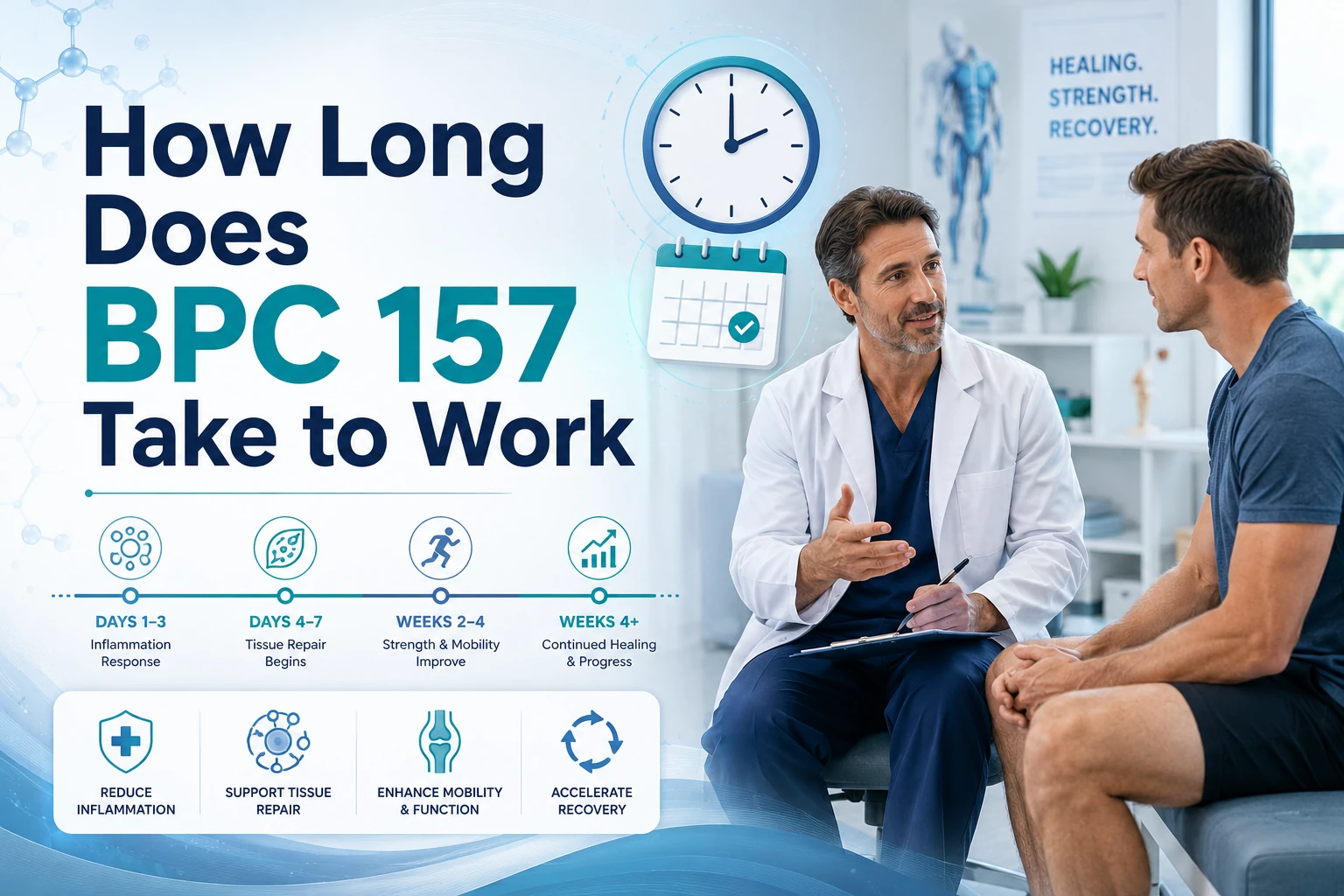
How Long Does It Take for HRT to Help Joint Pain?
Hormone therapy works gradually.
Most people notice improvement over time rather than immediately.
- 4–8 weeks: Reduced stiffness and inflammation
- 3–6 months: More consistent joint comfort and mobility
Because hormones affect the entire body, steady progress is expected rather than overnight relief.
HRT vs Supplements and Pain Medications
Many people try supplements or over-the-counter medications before considering hormone therapy.
Supplements like turmeric, glucosamine, and omega-3s may support joint health, but they don’t address hormone-driven inflammation.
Pain medications such as NSAIDs can reduce discomfort temporarily, but they don’t correct the underlying cause and aren’t ideal for long-term use.
Hormone therapy targets the hormonal changes that often trigger joint pain in the first place, making it a more comprehensive option for many people.
What HRT Can Help and What It Can’t
HRT is most effective for:
- Morning joint stiffness
- Inflammatory joint pain
- Generalized aching and soreness
- Hormone-related loss of mobility
It is less effective for:
- Severe osteoarthritis
- Advanced cartilage loss
- Structural joint damage
This is why individualized evaluation matters, joint pain doesn’t have a single cause for everyone.
Is HRT Safe for Joint Pain?
For most healthy adults, hormone therapy is considered safe when it’s properly prescribed and monitored.
Safety depends on choosing the right hormones, the right doses, and adjusting treatment over time based on how your body responds.
A personalized approach is key rather than using a one-size-fits-all protocol.
How Gard Wellness Solutions Can Help
At Gard Wellness Solutions in Lantana, FL, hormone therapy is designed around the individual, not just symptoms.
Care begins with comprehensive hormone testing and continues with personalized treatment plans and ongoing monitoring.
For patients dealing with joint pain, this approach helps identify which hormonal imbalances are contributing to inflammation and stiffness, allowing therapy to be adjusted for both comfort and long-term health.
Final Thoughts: Best HRT for Joint Pain
Joint pain doesn’t have to be something you simply live with.
For many people, it’s a sign that hormones are shifting and joints are feeling the effects.
The best HRT for joint pain is usually estrogen-based therapy, often supported by progesterone and, in some cases, testosterone, tailored to your specific needs.
When hormone therapy is approached thoughtfully, it can reduce inflammation, improve mobility, and help you feel more comfortable moving through daily life again.
If joint pain is limiting what you can do, addressing hormone balance may be an important step forward.
FAQs: Best HRT for Joint Pain
Which HRT helps joint pain?
Estrogen-based hormone replacement therapy is the most effective option for joint pain when symptoms are related to hormonal changes. Estrogen helps reduce inflammation, support cartilage, and improve joint lubrication. In many cases, progesterone is added for balance, and testosterone may be included if muscle weakness or slow recovery is contributing to joint discomfort.
How long does HRT take to work for joint pain?
Most people begin to notice reduced stiffness and inflammation within four to eight weeks of starting hormone therapy. More consistent joint pain relief and improved mobility often develop over three to six months as hormone levels stabilize.
How do you get rid of hormonal joint pain?
The most effective way to relieve hormonal joint pain is to address the underlying hormone imbalance. Hormone therapy, combined with regular movement, strength training, anti-inflammatory nutrition, and adequate sleep, can significantly reduce joint pain caused by declining hormone levels.
Does menopause cause joint pain?
Yes, menopause is a common cause of joint pain. As estrogen levels drop, inflammation increases and joint lubrication decreases, which can lead to stiffness, aching, and reduced mobility. Joint pain is one of the most common menopause symptoms, even though it’s often overlooked.
What hormone makes your joints hurt?
Low estrogen is the hormone most strongly linked to joint pain. Estrogen helps regulate inflammation and protect joint tissues, so when levels decline, joints can become more painful and stiff. Low testosterone can also contribute by reducing muscle support around the joints.
Can a lack of estrogen cause joint pain?
Yes, a lack of estrogen can directly cause joint pain. Estrogen deficiency is associated with increased inflammation, reduced cartilage protection, and decreased joint lubrication, all of which can lead to aching and stiffness.
How long does it take estrogen to work?
Estrogen therapy typically begins to reduce joint stiffness and inflammation within a few weeks, with noticeable improvement often occurring within one to two months. Full benefits may take several months as the body adjusts and inflammation levels decrease.