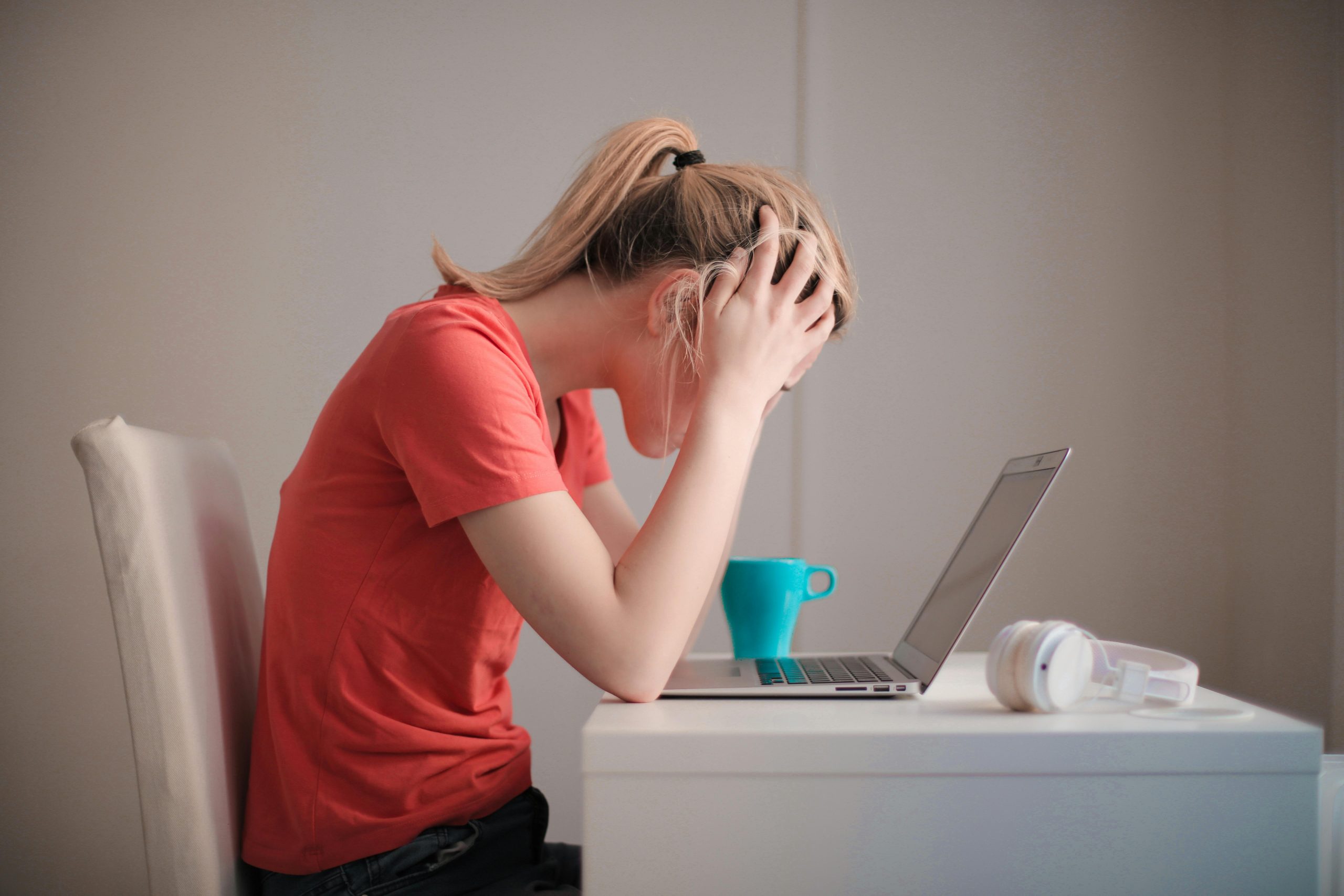
Anxiety is one of the most overlooked symptoms of perimenopause and menopause.
Many women who have never struggled with anxiety before suddenly find themselves dealing with racing thoughts, restlessness, irritability, or a feeling of being overwhelmed for no clear reason.
Naturally, this leads to an important question: Can HRT help with anxiety?
For many women, yes.
Hormone Replacement Therapy (HRT) can help ease anxiety that’s linked to fluctuating or declining hormone levels.
Estrogen and progesterone play major roles in mood regulation, and when levels shift during perimenopause, it can cause changes in how calm, focused, and emotionally steady you feel.
Restoring hormonal balance through HRT can reduce these symptoms and create a more stable emotional baseline.
Below is a clear, reassuring, and practical guide to understanding the relationship between HRT and anxiety, what symptoms are hormone-related, how HRT works, and when it’s the right time to seek help.
GET HELP BALANCING YOUR HORMONES
Why Anxiety Increases During Perimenopause and Menopause
Hormones influence far more than physical symptoms, they affect brain chemistry, stress resilience, and emotional responses.
Estrogen’s role in mood
Estrogen supports:
- Serotonin production
- Mental clarity
- Sleep cycles
- Emotional stability
When estrogen dips, serotonin often does too, which can lead to increased worry, irritability, and sensitivity to stress.
Progesterone’s calming effects
Progesterone interacts with GABA receptors, which help your brain slow down and relax.
When progesterone levels fall, you may feel:
- On edge
- Wired but tired
- More jumpy
- Less able to “come down” from stress
These hormonal fluctuations explain why anxiety may appear even in women who have never experienced it before.
Common Symptoms of Hormone-Related Anxiety
Hormone-driven anxiety often feels different from general life stress.
You may notice:
- Sudden waves of anxiety without a clear trigger
- Difficulty sleeping or staying asleep
- Heart racing at night
- Feeling overwhelmed by small tasks
- Irritability
- Mood swings
- A sense of restlessness
- Changes in focus or mental clarity
These symptoms often intensify during the late afternoon, at night, or around irregular menstrual cycles, another hint that hormones may be involved.
How HRT Helps With Anxiety
HRT works by bringing estrogen and progesterone back to steadier, more predictable levels.
This can help:
- Stabilize mood
- Improve sleep
- Reduce the intensity of anxious feelings
- Lessen irritability
- Ease emotional sensitivity
- Restore a sense of calm
Estrogen therapy can support serotonin pathways, while progesterone may help calm the nervous system and promote deeper, more restorative sleep.
For many women, this combination leads to a noticeable improvement in how grounded and emotionally steady they feel.
How Long Does It Take HRT to Help With Anxiety?
Most women begin noticing subtle changes within 2–6 weeks.
Sleep improvements often come first, followed by better mood stability and fewer anxious episodes.
More significant relief typically develops gradually over the first three months.
How to Know if Anxiety Is Hormone-Related or Something Else
Hormone-related anxiety often:
- Appears suddenly during your 40s or 50s
- Comes in waves instead of being constant
- Pairs with hot flashes, night sweats, or cycle changes
- Includes nighttime anxiety or early-morning waking
- Gets worse before a period (if still cycling)
If your anxiety began around the same time as other perimenopause symptoms, there’s a strong chance hormones are involved.
If anxiety existed long before hormonal changes, the symptoms may be a combination of hormonal shifts and other factors.
When HRT May Not Fully Resolve Anxiety
HRT can be a powerful tool, but it may not address anxiety completely if:
- Chronic stress is high
- Thyroid levels are off
- Blood sugar is unstable
- Sleep is severely disrupted
- Long-standing anxiety predates perimenopause
- Past trauma or unresolved emotional factors are present
In these cases, HRT can still help, but it works best alongside targeted lifestyle, nutritional, and therapeutic support.
Types of HRT That May Help With Anxiety
Different forms of HRT may influence symptoms differently.
- Transdermal estrogen (patch, gel, or spray): Provides steady absorption, which many women find supportive for mood and anxiety.
- Oral estrogen: Another option, though it may create more hormone level variation for some women.
- Micronized progesterone: Often supports deeper sleep and has naturally calming effects.
- Combination therapy: Addresses both mood-related and physical symptoms of menopause.
Your specific symptoms, health history, and hormone patterns determine which combination is right for you.
Is HRT Safe When Used for Anxiety Relief?
HRT is considered safe for many women when prescribed appropriately and monitored by a trained provider.
It’s typically recommended for women who are within 10 years of their last menstrual period and who do not have contraindications.
Your provider will review:
- Personal and family medical history
- Cardiovascular risks
- Breast health
- Current medications
- Symptom patterns
The goal is a treatment plan that balances relief with safety.
HRT for Anxiety vs. Antidepressants or Therapy
HRT and antidepressants work in entirely different ways.
Antidepressants target neurotransmitters directly, while HRT addresses the hormonal root cause.
For hormone-related anxiety, HRT may be more effective because it treats the underlying trigger.
Therapy, mindfulness tools, and lifestyle changes can also be extremely helpful, especially when anxiety has multiple causes.
Many women use a combination of approaches depending on their needs.
Lifestyle Tools That Support Anxiety Relief Alongside HRT
The following often help the benefits of HRT work faster and more completely:
- Improving sleep hygiene
- Strength training or regular walking
- Balanced blood sugar
- Nervous system regulation techniques
- Limiting stimulants like caffeine and alcohol
- Prioritizing nutrient-dense foods
These habits help calm the body’s stress response and create a more stable emotional foundation.
How Gard Wellness Solutions Helps Women With Hormone-Related Anxiety
Gard Wellness Solutions takes a whole-person approach to anxiety during perimenopause and menopause.
Instead of focusing only on lab numbers, your provider evaluates patterns in mood, sleep, energy levels, menstrual changes, and physical symptoms to determine whether hormones are playing a role.
Your experience guides the treatment plan, which may include:
- HRT tailored to your hormone patterns
- Nutritional support
- Stress-reduction tools
- Supplements chosen based on your symptoms
- Follow-up assessments to monitor progress
The goal is to help you feel calmer, more balanced, and supported throughout this transitional stage.
When to Reach Out for Support
It may be time to talk to a provider if:
- Anxiety is interfering with daily life
- You feel emotionally “off” or unlike yourself
- Symptoms appeared during perimenopause
- Sleep changes and hot flashes accompany your anxiety
- You’re curious whether HRT may be right for you
There are effective, supportive options available, and you don’t have to navigate this stage alone.
Conclusion: Can HRT Help With Anxiety
Anxiety during perimenopause and menopause is much more common than many women realize.
The sudden changes in mood, restlessness, and emotional intensity can feel unsettling, especially when they seem to come out of nowhere.
Understanding the hormonal connection can be a turning point, both in making sense of what you’re experiencing and in finding the right support.
For many women, HRT provides meaningful relief by stabilizing the hormonal pathways that influence mood and emotional balance.
When combined with lifestyle habits that support the nervous system, it often becomes a powerful part of feeling steady and grounded again.
If anxiety has become a daily struggle or you feel disconnected from your usual self, reaching out for guidance can make a significant difference.
With the right approach, this stage of life can become more manageable, more understandable, and far more supported.
FAQs: Can HRT Help With Anxiety
Can very low estrogen cause anxiety?
Yes. Very low estrogen can lead to changes in serotonin and other mood-regulating chemicals, which may trigger anxiety, irritability, restlessness, and trouble sleeping. Many women first notice anxiety rising as estrogen begins to drop in perimenopause.
Can progesterone help with anxiety?
Progesterone can have a calming effect because it interacts with GABA receptors, which help the brain relax. Micronized progesterone is often used to support sleep and may help ease nighttime anxiety and restlessness in some women.
Will anxiety go away after menopause?
For some women, anxiety improves once hormone fluctuations settle after menopause. For others, symptoms may continue if stress, sleep issues, or other underlying factors are involved. Treatment can help during and after the menopausal transition.
Which hormone reduces anxiety?
Estrogen and progesterone both play a role in anxiety relief. Estrogen supports serotonin pathways linked to mood stability, while progesterone can have a soothing, calming effect on the nervous system.
How to tell if anxiety is hormonal?
Hormonal anxiety often appears suddenly in your 40s or 50s, comes in waves, pairs with symptoms like hot flashes or sleep changes, and may worsen before a period if you are still cycling. The timing often shifts with changes in your menstrual cycle or other perimenopause symptoms.
What age does anxiety peak?
Anxiety can peak during the mid-to-late 40s as hormone levels start fluctuating more dramatically. Many women who never experienced anxiety before notice it intensifying during perimenopause.
What are weird perimenopause symptoms?
Perimenopause can bring unusual symptoms such as burning mouth sensation, skin crawling or tingling feelings, sudden food sensitivities, electric shock sensations, dizziness, itchy skin, or a racing heart at night. These are less common but still related to hormonal shifts.