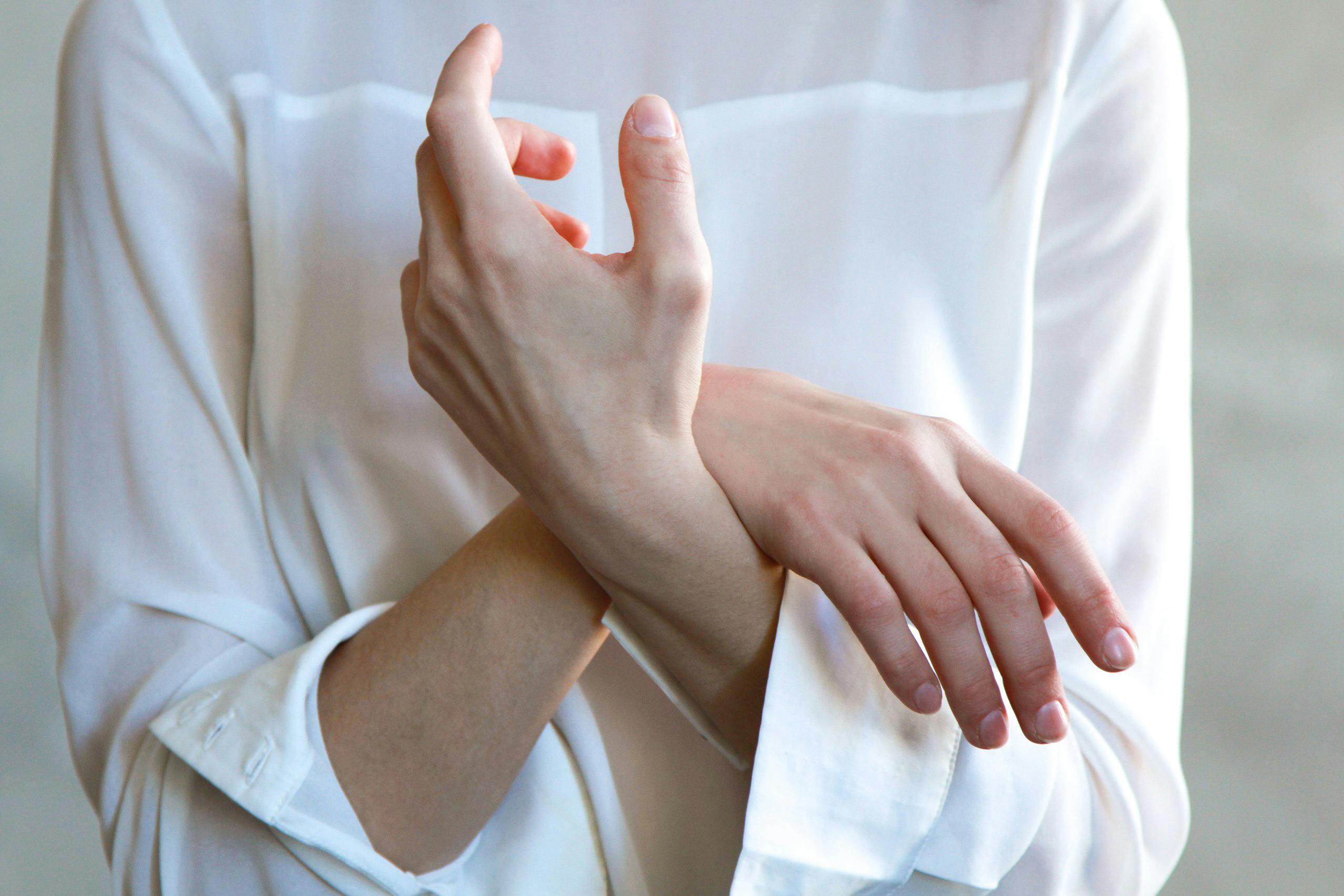
If you’ve started noticing stiffness, soreness, or unexplained muscle pain in your 40s, you’re not alone.
Many women ask, “Why does my body ache during perimenopause?”
The answer often comes down to hormones.
Perimenopause body aches are caused by fluctuating estrogen and progesterone levels that increase inflammation, muscle tension, and joint stiffness, making your body feel sore, tight, or fatigued.
This guide explains why these aches happen, how they differ from menopause body aches, and what you can do to find lasting relief through natural, functional, and hormonal therapy approaches that support your long-term health.
GET HELP WITH YOUR PERIMENOPAUSE SYMPTOMS
What Causes Body Aches During Perimenopause?
Hormonal changes affect almost every tissue in your body, including muscles, joints, and nerves.
Here are the most common reasons women experience body pain during perimenopause:
1. Hormonal fluctuations (estrogen and progesterone)
Estrogen normally reduces inflammation and keeps joints lubricated.
As estrogen levels swing up and down, your body loses some of that protection.
The result?
Stiff joints, tight muscles, and slower recovery after activity.
Progesterone also influences muscle relaxation, when it drops, tension increases.
2. Inflammation and pain sensitivity
Fluctuating hormones can trigger low-grade inflammation throughout the body, especially in connective tissue.
This can make everyday movements feel more painful and make you more sensitive to stress or poor sleep.
3. Loss of muscle support
Lower estrogen can contribute to reduced muscle mass and strength (sarcopenia).
With less muscular support, joints take more of the load, increasing stiffness and soreness.
4. Sleep disruption and fatigue
Night sweats and insomnia can reduce muscle recovery and amplify pain perception.
Poor sleep makes the body more reactive to even mild inflammation.
5. Stress and tension
Higher cortisol levels from chronic stress can create constant muscle tightness and worsen hormonal imbalances, feeding into a cycle of pain and fatigue.
How Common Are Perimenopause Body Aches?
They’re surprisingly common.
Studies show up to 70% of women experience joint or muscle pain during the menopausal transition.
Pain can range from mild stiffness to widespread soreness that mimics fibromyalgia.
If you’ve noticed achiness in your knees, hips, or shoulders that wasn’t there before, perimenopause could be the underlying cause, especially if it comes and goes with hormonal changes.
What Do Perimenopause Aches and Pains Feel Like?
Every woman’s experience is unique, but here are typical patterns:
- Morning stiffness that eases as the day goes on
- Muscle soreness after light activity
- Neck, shoulder, or lower back tension
- Knee or hip pain during movement
- Diffuse “whole body” achiness
- Fatigue that makes pain feel worse
If pain is sharp, localized, or accompanied by redness or swelling, check with a clinician to rule out injury or arthritis.
How Do Menopause Body Aches Differ?
Once you reach menopause (12 months without a period), hormones stabilize at lower levels, and pain patterns can shift.
| Feature | Perimenopause | Menopause |
| Hormones | Fluctuating estrogen & progesterone | Low, stable hormone levels |
| Pain pattern | Comes and goes | More consistent |
| Main causes | Hormone swings, stress, inflammation | Estrogen loss, bone & joint changes |
| Common areas | Neck, shoulders, knees, back | Hips, hands, spine |
| Treatment focus | Balance hormones, reduce inflammation | Support joints, preserve bone density |
In short, perimenopause aches are often more variable, while menopause body aches tend to be steadier and linked to long-term estrogen decline.
How to Relieve Perimenopause and Menopause Aches Naturally
You don’t have to live with daily pain.
These evidence-based strategies support your body from the inside out.
1. Move regularly — but gently
Low-impact exercise improves flexibility, strength, and circulation.
Try:
- Yoga or Pilates
- Resistance band workouts
- Walking or swimming
- Stretching and foam rolling
Movement keeps joints lubricated and reduces inflammation.
Aim for 30 minutes most days of the week.
2. Eat to reduce inflammation
Focus on foods that fight inflammation and build muscle support:
- Omega-3s (salmon, chia seeds, walnuts)
- Leafy greens and colorful vegetables
- Berries, turmeric, and olive oil
- Lean protein sources (chicken, tofu, legumes)
- Hydration, at least 8 glasses of water daily
Avoid processed foods, refined sugars, and trans fats, which can worsen inflammation.
3. Prioritize sleep and stress balance
Rest and relaxation are crucial for recovery.
Try:
- A consistent bedtime routine
- Warm baths or Epsom salt soaks
- Breathing or mindfulness exercises
- Limiting caffeine and screen time before bed
Even one extra hour of restorative sleep can lower pain intensity and improve energy.
4. Explore hormone balancing and functional medicine
Functional medicine can help uncover and address the root cause of your aches, from hormonal fluctuations to nutrient deficiencies.
Options may include:
- Hormone replacement therapy (HRT)
- Herbal or nutritional support for estrogen metabolism
- Lab testing for thyroid, cortisol, or inflammatory markers
- Physical therapy, chiropractic, or acupuncture for pain relief
5. Track your symptoms
Keep a simple journal noting pain level, activity, sleep, and mood.
Over time, you’ll see what triggers or relieves symptoms, helping your provider personalize your care.
When to See a Specialist
It’s time to get evaluated if:
- Pain is severe, localized, or swelling
- You experience joint deformity or redness
- You can’t sleep or exercise due to discomfort
- Symptoms persist despite lifestyle changes
Persistent or worsening pain may indicate arthritis, autoimmune disease, or another condition that requires targeted treatment.
How Gard Wellness Solutions Can Help
At Gard Wellness Solutions, we take a holistic approach to perimenopause and menopause care, blending functional medicine, hormone optimization, and natural therapies to help you feel your best.
Our providers understand that body aches are often the result of hormonal imbalance and inflammation, not just aging.
We offer:
- Comprehensive hormone testing to identify imbalances in estrogen, progesterone, cortisol, and thyroid function
- Hormone Replacement Therapy (HRT) to restore balance, reduce inflammation, and relieve joint and muscle pain
- Nutrition and supplementation guidance tailored to support bone and muscle health
- Stress management and lifestyle coaching to lower cortisol and improve recovery
- Personalized movement and physical therapy plans to improve mobility and prevent stiffness
If you’re struggling with perimenopause or menopause body aches, our team can help you find relief through natural solutions and, when appropriate, HRT for long-term hormonal support.
Whether you prefer in-person care or virtual appointments, we make your journey toward balance and comfort personalized and sustainable.
The Takeaway: Perimenopause Body Aches
Perimenopause body aches are common, but they’re not something you have to live with.
By understanding how hormones influence your muscles and joints, you can take control with movement, nutrition, rest, and targeted care.
At Gard Wellness Solutions, we help women navigate this stage with confidence and comfort, supporting your hormones, your body, and your quality of life.
Ready to feel like yourself again?
Schedule a consultation today to start your path to relief.
FAQs: Perimenopause Body Aches
Does perimenopause make your whole body hurt?
Yes, fluctuating hormones during perimenopause can cause widespread inflammation, muscle soreness, and joint stiffness, making your whole body feel achy or fatigued.
What are the four phases of perimenopause?
The four phases are early perimenopause, mid perimenopause, late perimenopause, and postmenopause. Each phase brings changes in estrogen and progesterone levels that can affect mood, energy, and physical comfort.
What does perimenopause fatigue feel like?
Perimenopause fatigue often feels like constant tiredness, low energy, brain fog, and a sense of heaviness or exhaustion that doesn’t improve with rest. It’s commonly linked to hormonal imbalance, poor sleep, and stress.
Why do my joints hurt during perimenopause?
Joint pain occurs because estrogen helps keep joints lubricated and inflammation low. As estrogen fluctuates, cartilage becomes less protected, leading to stiffness, soreness, and slower recovery.
Can hormone therapy help body aches?
Yes, hormone therapy can help reduce body aches by stabilizing estrogen and progesterone levels. Many women experience less inflammation and improved mobility after starting HRT or BHRT.
Do menopause aches and pains ever go away?
For many women, aches improve with consistent exercise, balanced nutrition, and hormone support. However, some may experience ongoing stiffness that requires long-term lifestyle and medical management.
When should I worry about body aches?
You should see a doctor if your pain is sharp, one-sided, or accompanied by swelling, redness, or heat. Persistent or worsening pain may indicate arthritis, injury, or another underlying condition.